Feeding tips for horses with eczema
Helping a horse with eczema through its diet can be an effective strategy to reduce symptoms and improve the horse’s overall health. Here are some tips on how to adjust the feed to support a horse with eczema:
1. Omega-3 fatty acids
Why: Omega-3 has anti-inflammatory properties that can help alleviate itching and skin irritation.
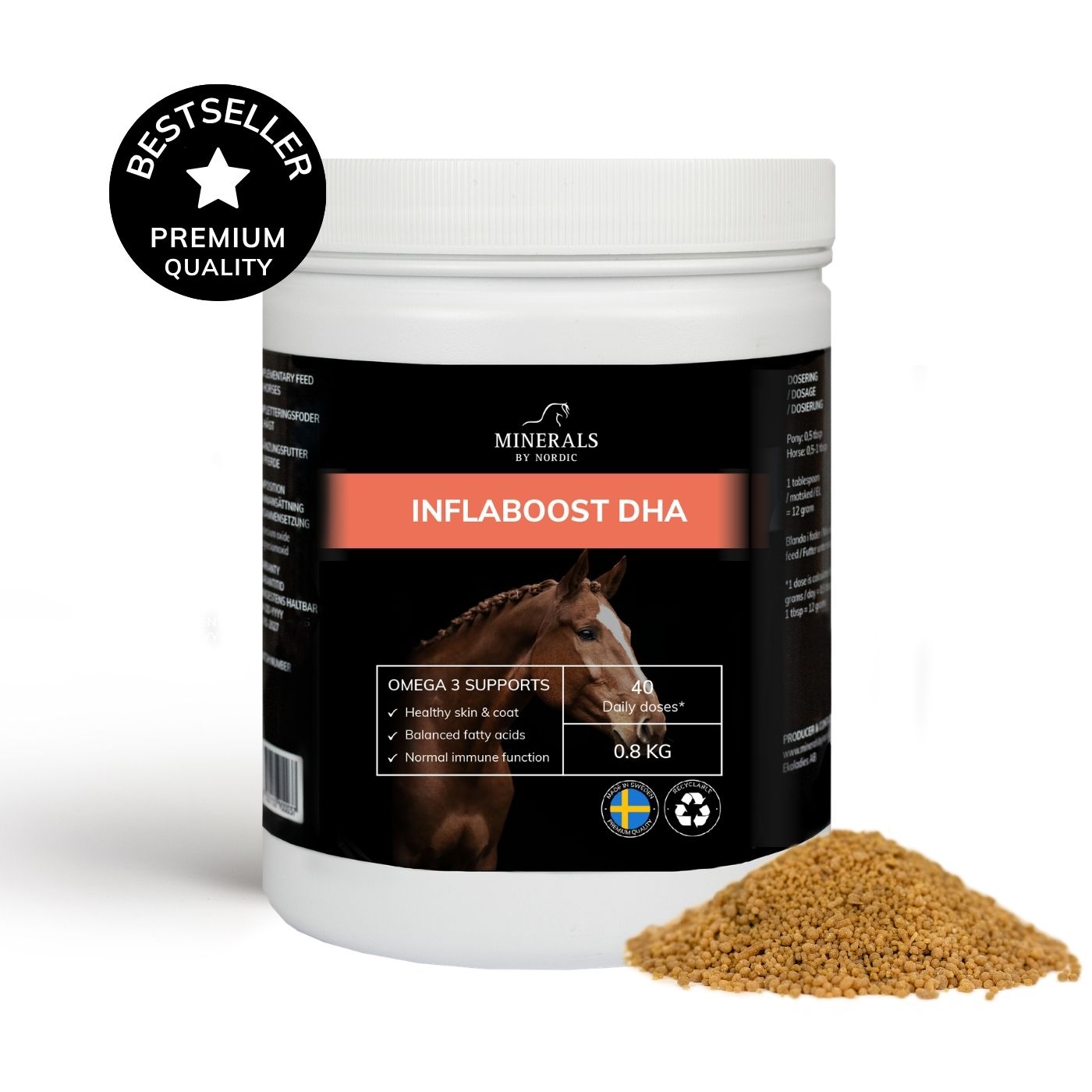
Sources: Schizochytrium (a vegan source with high bioavailability of DHA), found in Inflaboost DHA.
Tip: Add an omega-3-rich oil daily to the horse's feed.
2. Antioxidants and vitamins
Why: Antioxidants like vitamins E and C can help reduce oxidative stress and strengthen the immune system.
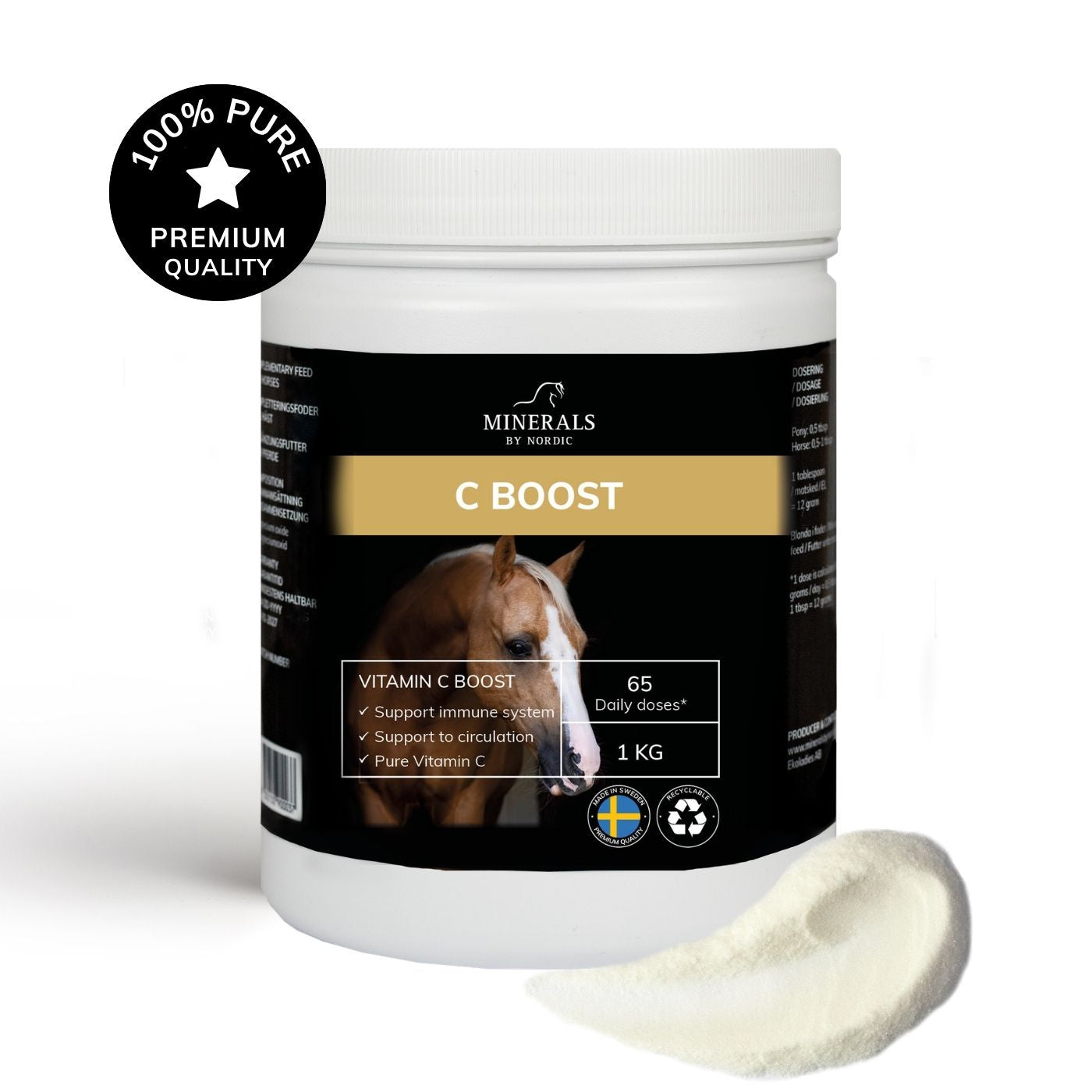
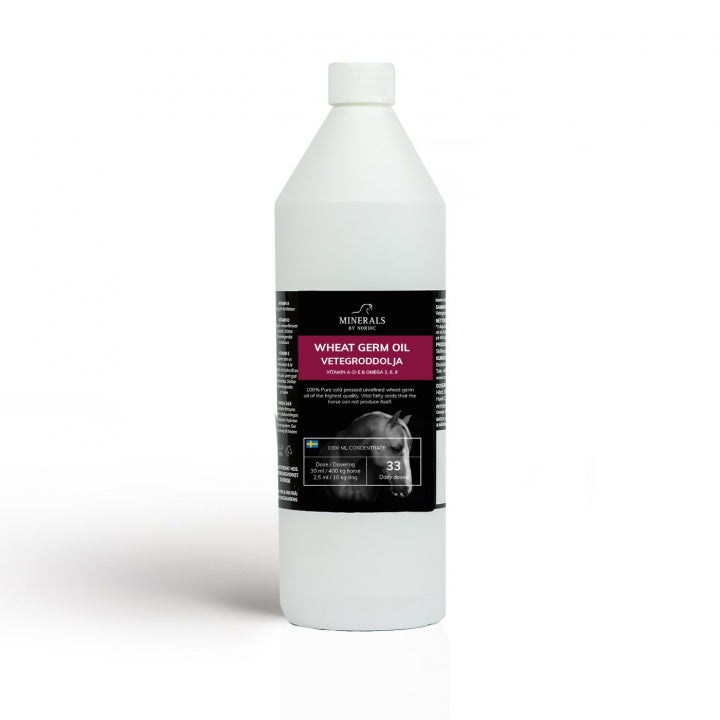
Sources: Natural feed supplements with vitamin E (preferably in natural form like wheat germ oil), carrots (rich in beta-carotene), and sodium ascorbate found in C Boost.
Tip: Give vitamin E supplements if the horse is on hay instead of fresh grass.
3. Pectin and prebiotics
Why: Pectin (like in apple pomace) may have a prebiotic effect and support gut health, which can indirectly positively impact skin health.
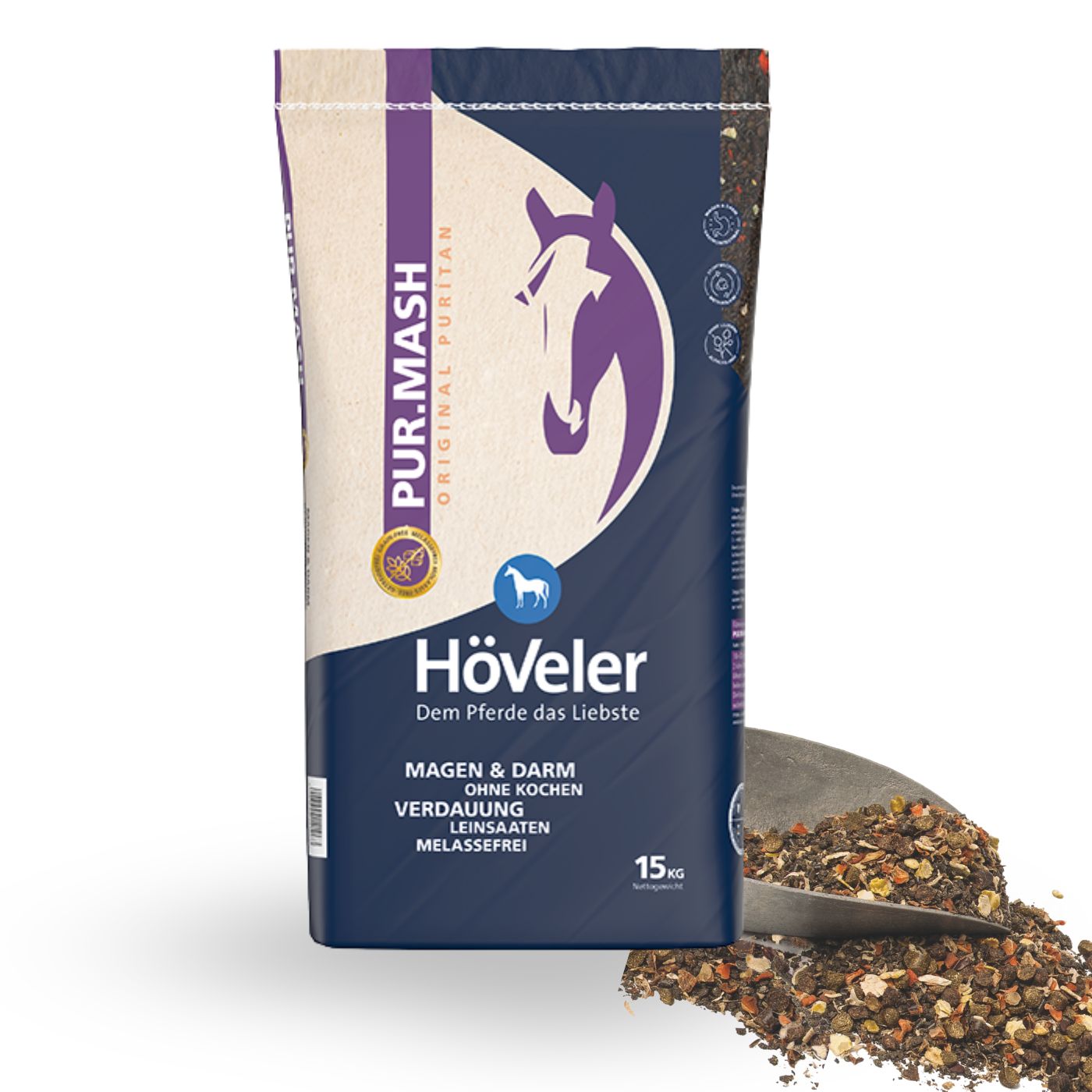
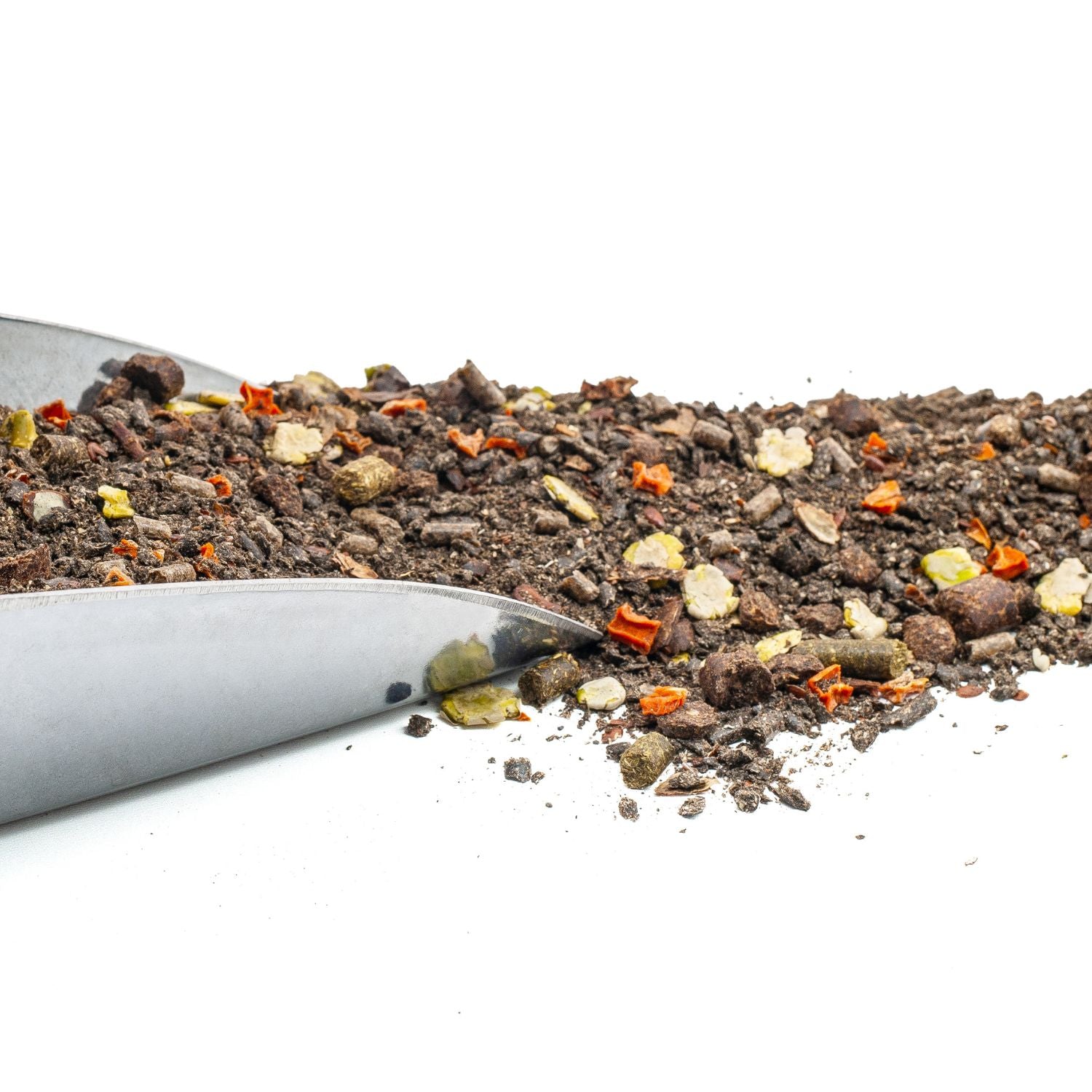
Sources: Apple pomace and other fiber-rich feed supplements like Pur.Mash.
4. Skin-supporting minerals
Why: Zinc, copper, and sulfur contribute to healthy skin and coat.
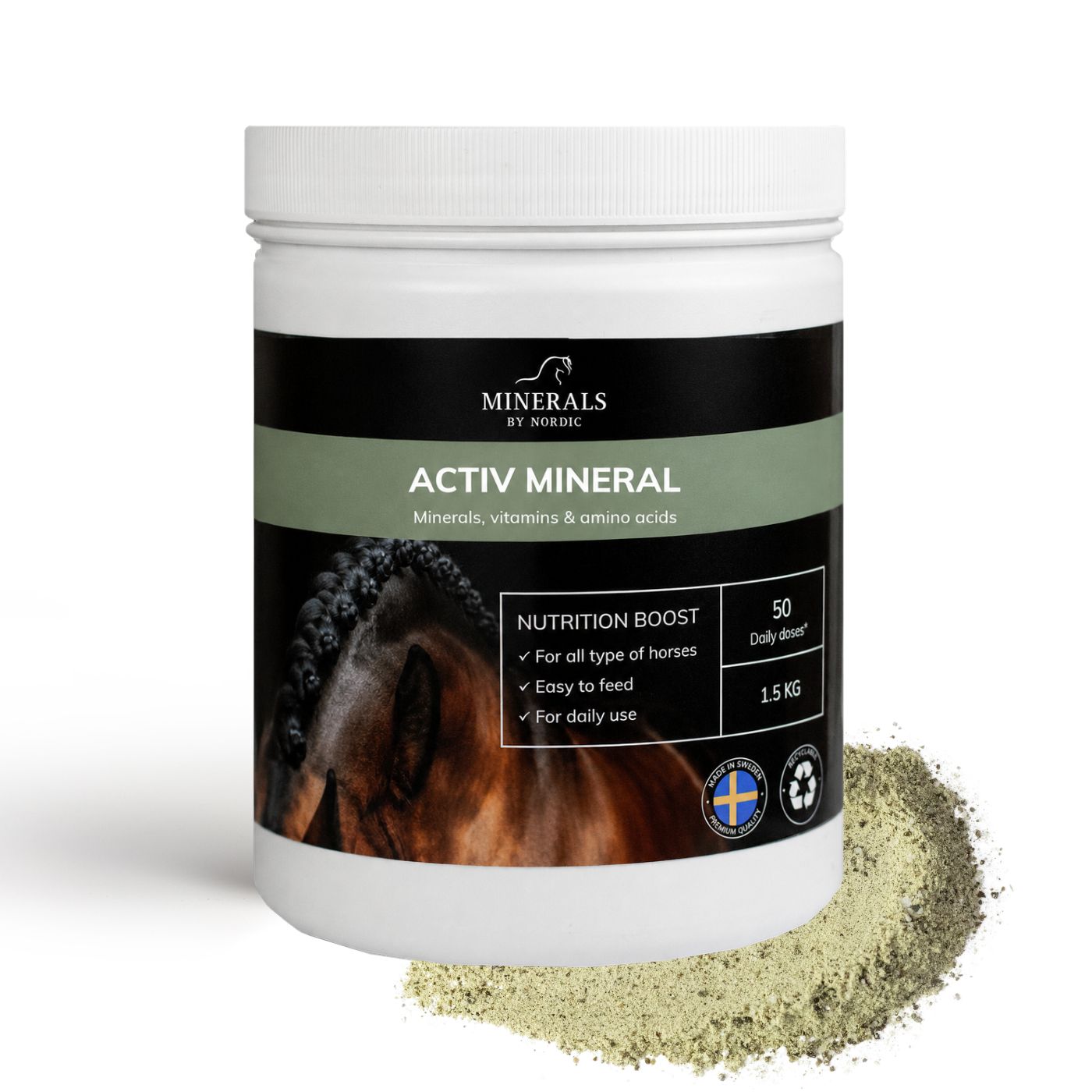
Sources: Mineral feed with high bioavailability of zinc and copper, such as Activ Mineral.
Tip: Choose a mineral feed that is tailored for horses with skin problems.
5. Avoid allergenic feeds
Why: Some horses with eczema may be sensitive to grains or soy products.
Tip: Choose grain-free and soy-free feeds, such as Hövelers Pur series.
6. Prebiotics for immune support
Why: Supports a balanced gut flora and can indirectly improve skin health.
Sources: Pur.Mash contains several prebiotic sources.
Symptoms of eczema in horses
Itching and restlessness
Skin lesions: sores, scabs, and hair loss
Dry and flaky skin
Changes in the coat: dull and thinner coat
Causes of eczema
Eczema in horses is often caused by an allergic reaction to the saliva of midges, although other insects can also contribute. The reaction is due to an overactive immune system, which leads to inflammation and itching.
Contact us
Do you have questions about eczema in horses or are you looking for the right supplements for better skin health? Feel free to contact us – we will help you find the right solution for your horse!